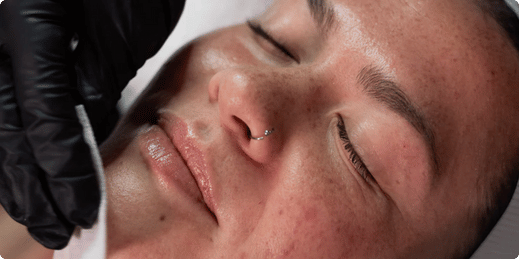
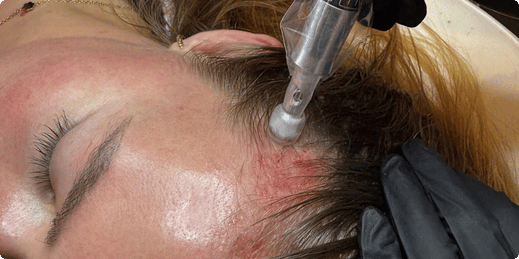

Skin texture is influenced by more than what happens on the surface. Acne scarring, sun exposure, changes in collagen structure and previous skin injuries can all affect the appearance and function of the skin.
While topical skincare plays an important role in maintaining skin health, certain structural concerns require treatment beyond the epidermis.
Resurfa Clear is an ablative laser resurfacing treatment . Using 2940 nm Er:YAG laser technology, it creates controlled areas of tissue removal to initiate the skin's natural repair processes and support collagen remodelling.
This approach can be used to improve the appearance of certain types of acne scarring, uneven skin texture, photo damage, fine lines and selected scars.
Understanding how the technology works, what it can realistically achieve and what recovery involves is essential when considering laser resurfacing.
What Is Resurfa Clear?
Resurfa Clear is an advanced skin resurfacing treatment that uses Er:YAG laser technology to address certain structural changes within the skin.
Unlike topical skincare, which primarily influences processes within the epidermis and, indirectly, the underlying skin, ablative laser resurfacing can remove controlled amounts of tissue to initiate a wound-healing response.
The Er:YAG laser operates at a wavelength of 2940 nm, which is strongly absorbed by water within the skin.
This allows the laser to precisely vaporise targeted tissue. When delivered fractionally, microscopic treatment zones are created while surrounding areas of skin remain untreated, supporting the healing process.
As the skin repairs, collagen remodelling can progressively improve the appearance of certain textural irregularities and scars.
What Skin Concerns Can Resurfa Clear Address?
Acne Scarring
Inflammatory acne can damage the dermal structures responsible for supporting the skin, sometimes resulting in depressed or atrophic scars.
Resurfa Clear can improve the appearance of certain atrophic acne scars by resurfacing the skin and stimulating collagen remodelling. The degree of improvement depends on scar type, depth and individual healing responses.
Uneven Skin Texture
Changes in skin texture can develop due to acne, previous inflammation, photo damage and natural ageing processes.
Fractional laser resurfacing can improve certain surface irregularities by promoting controlled tissue renewal and remodelling.
Post-Surgical Scars
Following surgery or injury, collagen fibres may be deposited in a different arrangement from surrounding healthy tissue.
For appropriately selected, fully healed scars, laser resurfacing may help improve surface irregularities and the appearance of scar tissue.
Photo Damage
Repeated exposure to ultraviolet radiation can contribute to collagen degradation, uneven pigmentation, roughness and visible changes in skin texture.
Er:YAG resurfacing may improve selected signs of photo damage, although not all types of pigmentation are suitable for ablative laser treatment.
Fine Lines & Skin Laxity
Age-related changes in collagen and elastin contribute to the development of fine lines and reduced skin firmness.
Laser resurfacing may improve superficial wrinkles and provide modest improvements in skin firmness through collagen remodelling. It does not replace surgical treatments for significant skin laxity.
What Happens During Resurfa Clear Treatment?
Before treatment, a clinical assessment is performed to evaluate the skin concern, medical history, skin type and suitability for ablative resurfacing.
Treatment parameters are selected according to the indication, anatomical area and desired treatment depth.
During the procedure, laser energy is delivered to the targeted skin, creating controlled areas of ablation.
Depending on the treatment intensity, clients may experience heat, discomfort and visible changes to the treated skin.
The treatment approach is individualised rather than applying the same settings to every client.
What Is Recovery Like?
Recovery following Er:YAG laser resurfacing depends on treatment depth, fractional density, the area treated and individual healing responses.
Following treatment, the skin may experience:
-
Redness and swelling
-
Warmth, tenderness or sensitivity
-
Temporary dryness and tightness
-
Crusting, flaking or peeling
-
A period of increased sensitivity while the skin barrier recovers
More intensive treatments can require longer recovery periods.
Temporary changes in pigmentation can occur, particularly in individuals with darker skin phototypes or a tendency towards post-inflammatory hyperpigmentation. Less commonly, complications can include infection, prolonged redness and scarring.
Appropriate aftercare, sun protection and adherence to clinical instructions are essential during recovery.
Is Resurfa Clear Suitable for Everyone?
Not every skin concern or skin type is suitable for ablative laser resurfacing.
Factors such as active skin infections, recent sun exposure, certain medications, impaired wound healing, a history of abnormal scarring and pigmentation disorders may affect treatment suitability.
treatment recommendations are made following an individual skin assessment. In some cases, alternative treatments or a staged approach may be more appropriate.
How Many Treatments Will I Need?
The number of treatments required depends on the condition being addressed, its severity, treatment intensity and the skin's response.
Some concerns may show improvement following a single treatment, while others, particularly deeper acne scarring, may require multiple sessions or a combination of treatment modalities.
Collagen remodelling continues over time, meaning improvements may develop progressively following the initial healing period. Results vary, and complete removal of scars or textural irregularities cannot be guaranteed.
Considering Resurfa Clear?
At Lafont Advanced Skin Clinic in Tauranga, we take an individualised approach to skin treatments, combining clinical assessment, skin physiology and appropriate treatment technologies.
If you're concerned about acne scarring, uneven skin texture, photo damage or other structural skin changes, a consultation can help determine whether Resurfa Clear is suitable for your skin.