
We treat Rosacea like the chronic condition it is.
At Lafont Advanced Skin Clinic, we treat rosacea as the chronic condition it is- with calm, clinical care that respects your barrier and avoids triggering your skin further.
There’s no quick fix, but there is a smarter way. We take a layered approach to reduce inflammation, identify your unique triggers, and support long-term healing- so you’re not just covering up redness, but actually treating it at the root.
Whether you’re dealing with flushing, burning, visible veins, or rosacea-linked breakouts- we’ll help you regain control and feel safe in your skin again.
How we approach Vascu Clear Laser Treatments.

We start by reducing irritation, heat and barrier stress before pushing stronger treatments.

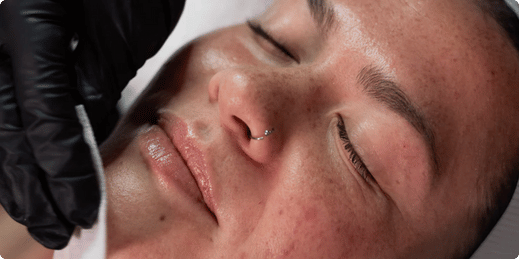
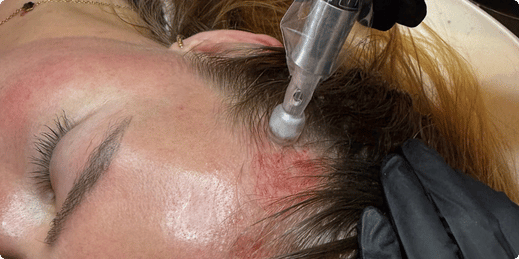
Vascu Clear uses ND:YAG laser to treat visible vessels, flushing and vascular redness.

For rosacea-linked breakouts, we use calming LED, barrier support and carefully selected actives.

Rosacea is managed in stages with OBSERV imaging, treatment planning and ongoing skin reviews.
Erythemato-telangiectatic Rosacea (ETR)
Persistent facial redness, flushing, and visible blood vessels.
Skin often feels hot, sensitive, or tight. Commonly mistaken for sensitive skin or sun damage.
Requires barrier support, calming actives, and inflammation control.
Papulo-pustular Rosacea (PPR)
Redness with acne-like breakouts (papules + pustules).
Often confused with adult acne — but requires totally different treatment.
Responds well to anti-inflammatory care, electroporation, and barrier healing.
Phymatous Rosacea
Thickened, bumpy skin texture — usually on the nose (rhinophyma), but can affect chin, forehead, or cheeks.
More common in men and late-stage cases.
Needs long-term management and specialist support.
Ocular Rosacea
Affects the eyes: dryness, redness, watery or gritty sensation.
Often goes undiagnosed — but needs treatment to prevent vision issues.
Usually requires collaboration with an eye specialist.
What are the symptoms of Rosacea?
Rosacea can show up as persistent redness, visible capillaries, flushing, stinging, sensitivity, or acne-like breakouts such as papules and pustules.
Symptoms often flare in response to triggers like heat, stress, spicy food, alcohol, skincare products, hormones, or even the weather.
It’s commonly mistaken for acne or sensitive skin but left untreated, rosacea can worsen over time and lead to permanent barrier damage.
Redness
One of the earliest and most common signs of rosacea is persistent facial redness- usually across the cheeks, nose, chin, or forehead.
This redness can look like a constant flush or sunburn and doesn’t fully go away, even when triggers are removed.
It’s caused by inflammation and dilated blood vessels close to the surface — and requires barrier repair, skin-calming ingredients, and long-term treatment to prevent progression.
Flushing
Flushing is a sudden, intense rush of heat and redness across the face- often triggered by heat, alcohol, spicy food, exercise, or emotions.Unlike general blushing, flushing from rosacea lasts longer, feels hotter, and happens more frequently.
Over time, repeated flushing can damage the skin barrier and blood vessels, making redness more permanent.
We focus on reducing trigger sensitivity and strengthening your skin’s resilience with calming, anti-inflammatory support.
Papules
Papules are small, red, inflamed bumps that can appear on the cheeks, chin, or forehead- often mistaken for acne.Unlike breakouts, rosacea papules don’t stem from clogged pores or excess oil- they’re caused by inflammation and vascular dysfunction.
These bumps can feel sore or tender and may flare alongside flushing or redness.
We treat papules by calming inflammation, avoiding acne-style treatments, and supporting long-term skin repair.
Pustules
Pustules are inflamed bumps filled with pus- often with a white or yellow head that appear alongside redness or papules.They resemble acne but are rooted in rosacea-related inflammation, not oil or bacteria.
Using traditional acne treatments can make them worse.
We treat pustules gently- focusing on anti-inflammatory care, skin barrier support, and targeted actives that calm rather than strip the skin.
Telangiectasia
Tiny red or purple blood vessels can become visible on the surface of the skin- especially around the nose and cheeks.These broken or dilated capillaries are a sign of vascular damage caused by chronic inflammation and repeated flushing.
They won’t disappear on their own, but we can prevent them from worsening and treat the underlying rosacea with barrier repair and vascular-calming support.
In some cases, we may refer for laser to reduce their visibility.
Rhinophyma
Rhinophyma is a thickening of the skin, most commonly on the nose that can make the skin appear bumpy, swollen, or bulbous.
It usually develops in advanced rosacea, more often in men, and results from long-term inflammation and tissue overgrowth.
While it’s less common, early intervention can slow its progression.
We manage the inflammation driving it and, in advanced cases, refer to specialists for additional support.
Why Proper Rosacea Treatment Matters
Rosacea isn’t just redness- it can deeply affect how you feel in your skin. When left untreated, it can progress, leading to visible capillaries, breakouts, thickened skin, and chronic discomfort that goes far beyond surface appearance.
At Lafont Advanced Skin Clinic, we don’t rely on quick fixes or harsh topicals. We take a personalised, inflammation-aware approach- working with your skin’s biology, not against it. Whether you're struggling with persistent redness, reactive flare-ups, or papules that mimic acne, we design every treatment to reduce sensitivity and support long-term skin recovery.

From Struggle to Skin Confidence
I started a skin membership with Lafont as I wanted to treat my acne scarring and texture issues and I’m genuinely blown away by the results! Virginie and her team have such a wealth of knowledge and are so passionate about their clients and their skin journey. Appreciate you all!
Not Sure? Let’s Break It Down.
What type of rosacea do I have?
Rosacea isn’t one single condition. Some people experience persistent redness and flushing, while others develop visible vessels, acne-like breakouts, thickened skin, burning sensations, or eye irritation.
Many clients actually present with a combination of subtypes at the same time.
At Lafont Advanced Skin Clinic, we assess:
- redness patterns
- inflammation levels
- visible capillaries
- barrier health
- papules and pustules
- flushing triggers
- skin sensitivity
This helps us determine which treatment approach is safest and most effective for your skin.
Can rosacea actually be treated?
Rosacea can usually be significantly improved and better controlled, but it is considered a chronic inflammatory skin condition.
The goal is not simply to “cover” redness temporarily– it’s to reduce inflammation, calm vascular activity, strengthen the skin barrier, and minimise flare-ups long-term.
Treatment often involves:
- vascular laser treatments
- LED light therapy
- barrier repair
- trigger management
- anti-inflammatory skincare
- carefully selected clinical treatments
Why does my rosacea flare up?
Rosacea flare-ups are often triggered by increased blood vessel dilation and inflammation.
Common triggers include:
- heat
- UV exposure
- alcohol
- spicy food
- stress
- exercise
- harsh skincare
- over-exfoliation
- active ingredients used incorrectly
- sudden temperature changes
For many people, rosacea-prone skin is also highly barrier-impaired and reactive.
What treatments do you use for rosacea?
Treatment depends on the subtype and severity of rosacea.
Your treatment plan may include:
- Vascu Clear ND:YAG laser
- calming LED light therapy
- barrier repair treatments
- anti-inflammatory skincare
- electroporation
- carefully selected chemical peels
- vascular-focused treatments for visible capillaries and flushing
We focus heavily on reducing inflammation and skin sensitivity before pushing aggressive treatments.
Do laser treatments help rosacea redness?
Yes– vascular laser treatments can be extremely effective for reducing:
- diffuse redness
- flushing
- visible capillaries
- broken vessels
- vascular inflammation
At Lafont Advanced Skin Clinic, we use Vascu Clear ND:YAG laser technology to target excess vascular activity within the skin while supporting overall skin recovery.
Multiple treatments are usually required depending on severity.
Will rosacea treatments damage my skin barrier?
Not when treatments are selected correctly.
One of the biggest mistakes we see is overly aggressive treatment on already inflamed rosacea-prone skin.
We prioritise:
- calming inflammation first
- protecting barrier function
- reducing heat within the skin
- minimising unnecessary irritation
Treatment intensity is adjusted carefully depending on your skin’s reactivity.
Is rosacea the same as acne?
No– although papulo-pustular rosacea can look similar to acne.
Rosacea is primarily a vascular-inflammatory condition, whereas acne is more strongly linked to oil production, follicular congestion, bacteria, and hormonal influence.
Rosacea-prone skin is often significantly more sensitive and reactive than acne-prone skin.
This is why acne treatments can sometimes worsen rosacea.
Why does my skin burn, sting, or feel hot?
Rosacea-prone skin commonly has impaired barrier function and heightened vascular reactivity.
This means the skin becomes more sensitive to:
- heat
- skincare products
- environmental exposure
- inflammation
- blood vessel dilation
Burning, stinging, tightness, and heat sensations are extremely common in rosacea sufferers.
Can rosacea affect darker skin tones?
Yes– rosacea can absolutely occur in darker skin tones, although it is often underdiagnosed because redness may appear differently.
Instead of obvious pink flushing, darker skins may present with:
- warmth
- inflammation
- sensitivity
- papules and pustules
- swelling
- post-inflammatory pigmentation changes
Treatment settings and protocols must be selected carefully to minimise unnecessary inflammation and pigment risk.
Will I leave treatment red or irritated?
Some temporary redness or warmth can occur depending on the treatment performed, particularly after vascular laser treatments.
Most reactions are temporary and settle over the following hours to days.
We provide post-treatment guidance focused on:
- reducing heat
- calming inflammation
- supporting barrier repair
- minimising flare triggers during recovery
Can rosacea get worse if untreated?
Yes– in some cases rosacea can progressively worsen over time.
Untreated rosacea may eventually lead to:
- persistent redness
- worsening flushing
- visible vessels
- chronic inflammation
- thickened skin
- increased sensitivity
- ocular symptoms
Early intervention often helps reduce long-term progression and inflammation.
Do I need to stop using active skincare?
Not necessarily– but many rosacea-prone skins are using actives too aggressively or using products that are not appropriate for their barrier condition.
Part of treatment often involves simplifying routines and rebuilding skin tolerance before introducing stronger actives carefully and strategically.
Is rosacea linked to skin barrier damage?
Very commonly, yes.
Many rosacea sufferers have impaired barrier function, meaning the skin loses water more easily and becomes more reactive to irritation and inflammation.
Barrier repair is often a major component of long-term rosacea management.
Rosacea rarely stays the same
Rosacea rarely improves through guesswork alone. Whether you’re dealing with flushing, visible capillaries, burning, chronic redness, or rosacea-linked breakouts, we’ll help guide you toward the right treatment approach for your skin.
Call us during clinic hours or book online anytime.

Aspect Dr- Mild Clean 100mL
$68.00
Aspect Dr- Multi B Plus 30mL
$163.00
DP Dermaceuticals- Cliniprep+ 88mL
$64.00
DP Dermaceuticals- Hyla Active 30ml
$164.00