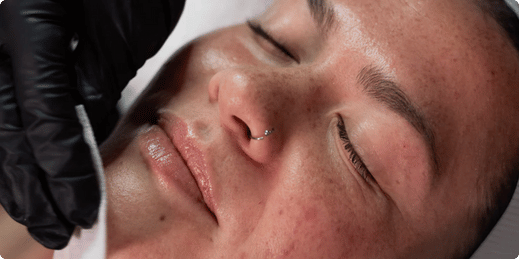
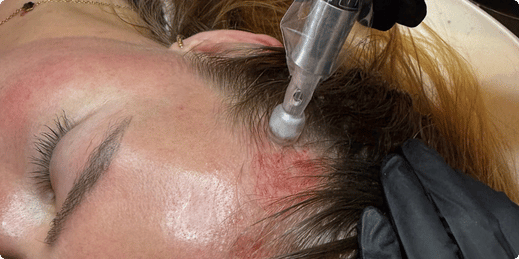

We approach chemical peels with precision, not aggression.
Every peel treatment is chosen based on your skin condition, barrier function, inflammation levels, pigmentation activity, and overall skin goals.
We take a progressive, corrective approach to skin health– focusing on long-term skin function, not just short-term peeling. Whether your concern is acne, pigmentation, congestion, uneven texture, or early skin ageing, treatments are tailored to support controlled skin renewal while respecting the integrity of your skin.
Our approach combines advanced clinical skin analysis with professionally selected peeling systems to create treatment plans that are strategic, personalised, and designed for real skin outcomes.
Why our approach to chemical peels is different.

Barrier respecting treatments. We prioritise long-term skin health by selecting peel treatments that support controlled skin renewal without unnecessarily compromising the skin barrier.

Tailored treatment planning.
Every treatment plan is customised based on skin condition, inflammation levels, pigmentation activity, skin history, and treatment goals.

Corrective clinical approach.
We focus on treating the underlying drivers behind acne, pigmentation, congestion, and uneven skin function– not just surface-level symptoms.

Progressive skin results. Healthy skin takes strategy and consistency. Our approach focuses on progressive improvement while maintaining skin integrity throughout the treatment process.
Enzyme Peels
Gentle resurfacing treatments designed to support skin renewal, brighten dullness, and refine texture while respecting sensitive or compromised skin barriers.
Corrective Acid Peels
Advanced acid-based peel treatments targeting acne, pigmentation, congestion, uneven texture, and visible skin ageing through controlled skin exfoliation and renewal.
Layered Peel Treatments
Strategic combinations of peel solutions designed to target multiple skin concerns simultaneously while allowing treatment intensity to be carefully controlled.
Advanced Depigmenting Treatments
Intensive corrective peeling systems such as Cosmelan designed to target persistent pigmentation, uneven skin tone, and melanocyte overactivity.
Chemical peels in skin of colour.
Skin of colour often requires a more cautious and individualised approach to chemical peels due to increased melanocyte activity and a higher risk of post-inflammatory hyperpigmentation (PIH).
At Lafont Advanced Skin Clinic, treatment planning takes into account not just the visible skin concern, but also Fitzpatrick skin type, barrier integrity, inflammation levels, previous skin reactions, and long-term skin health.
This is especially important when treating Māori, Pacific Islander, African, Middle Eastern, South East Asian, Indian, and other melanin-rich skin tones, where aggressive treatment approaches may increase the risk of pigmentation complications or prolonged inflammation.
Our approach focuses on progressive treatment planning, controlled skin renewal, and barrier-respecting protocols designed to support safer and more predictable outcomes across a wide range of skin tones.
Rosacea
Certain enzyme and barrier-respecting peel treatments may help support rosacea-prone skin by encouraging gentle skin renewal while prioritising inflammation control and barrier health.
Acne
Chemical peels can help reduce congestion, regulate excess oil, support controlled exfoliation, and improve post-breakout marks. Treatments are selected based on inflammation levels, barrier function, and overall skin condition.
Pigmentation
Corrective peel treatments can help improve uneven skin tone, post-inflammatory pigmentation, and visible sun damage through controlled skin renewal and cellular turnover.
Congestion
Chemical peels help loosen dead skin buildup, excess oil, and debris within the pores, supporting clearer and more refined skin over time.
Texture
By encouraging controlled skin renewal, chemical peels can help improve uneven texture, roughness, and overall skin smoothness while supporting healthier skin function.
Melasma
Melasma requires careful and progressive treatment planning due to the risk of rebound pigmentation. Peel selection focuses on inflammation control, barrier support, and long-term pigment stability.
Why professional peel selection matters.
Chemical peels are not one-size-fits-all. Different skin concerns, skin tones, barrier conditions, and inflammation levels require different treatment approaches.
At Lafont Advanced Skin Clinic, peel treatments are selected strategically based on your skin condition, treatment goals, and long-term skin health– not simply treatment intensity.
Over-aggressive exfoliation can compromise the skin barrier, increase inflammation, and trigger pigmentation complications, particularly in melanin-rich skin tones. Our approach focuses on controlled skin renewal, progressive treatment planning, and supporting healthier skin function over time.
Whether treatments are targeting acne, pigmentation, congestion, texture, or visible skin ageing, every treatment plan is tailored to work with your skin– not against it.

Chemical Peel Treatment Pathways
Individual Chemical Peels
For single peels, occasional corrective treatments and maintenance.
Progressive Programmes
For acne, pigmentation and melasma.
Layered Treatments
Combining treatments to target multiple skin concerns while supporting progressive skin improvement.
Memberships
Structured treatment memberships designed to support progressive skin improvement, consistency, and long-term skin health.
From Struggle to Skin Confidence
I started a skin membership with Lafont as I wanted to treat my acne scarring and texture issues and I’m genuinely blown away by the results! Virginie and her team have such a wealth of knowledge and are so passionate about their clients and their skin journey. Appreciate you all!
Not Sure? Let’s Break It Down.
Do all chemical peel treatments include LED Light Therapy?
In many cases, yes.
At Lafont Advanced Skin Clinic, LED Light Therapy is commonly incorporated alongside chemical peel treatments to help support skin recovery, reduce unnecessary inflammation, and optimise overall treatment outcomes.
Because chemical peels create controlled stimulation within the skin, post-treatment recovery matters just as much as the peel itself. LED Light Therapy may be used to help:
- calm visible redness
- support wound healing responses
- reduce inflammation
- reinforce barrier recovery
- improve overall treatment comfort
- support healthier skin function following treatment
Treatment protocols are customised based on your skin condition, sensitivity levels, goals, and clinical presentation on the day.
Not every skin requires the exact same approach – which is why your therapist will determine the most appropriate combination of treatments during your appointment.
Are stronger chemical peels always better?
No – more aggressive treatment does not always produce better skin outcomes.
One of the biggest misconceptions in the skincare industry is that more peeling, more redness, or more downtime automatically means a treatment is more effective. In reality, excessive inflammation can sometimes compromise barrier function, increase sensitivity, and create unnecessary irritation – especially in reactive or pigment-prone skin.
At Lafont Advanced Skin Clinic, chemical peels are selected strategically based on:
- your skin condition
- barrier health
- sensitivity levels
- pigmentation risk
- inflammation levels
- treatment history
- Fitzpatrick skin type
- overall skin goals
Some clients benefit from corrective stimulation, while others require a slower, more progressive approach focused on inflammation control and skin integrity.
Our philosophy is not to aggressively damage the skin – it’s to create the right biological response for the skin in front of us.
How do I know which chemical peel is right for me?
You don’t need to choose the peel yourself.
At Lafont Advanced Skin Clinic, chemical peels are professionally selected and customised based on your skin condition, barrier health, pigmentation risk, sensitivity levels, treatment history and overall skin goals.
We do not take a “one peel fits all” approach or work from a generic beauty treatment menu. Your therapist will assess your skin and determine the most appropriate treatment protocol on the day. This may involve:
- a single targeted peel
- layered peel combinations
- progressive treatment planning
- supportive barrier repair strategies
- integrated LED Light Therapy
Some skins require corrective stimulation, while others require inflammation control, pigment-safe treatment approaches or barrier-focused recovery support.
Our goal is not to aggressively strip the skin — it’s to create controlled, intelligent skin change safely and strategically.
Will my skin actually peel after treatment?
Not always, and visible peeling is not the measure of whether a treatment has worked.
One of the biggest misconceptions about chemical peels is that significant flaking or shedding automatically means better results. In reality, many professional peels work by stimulating biological changes within the skin without producing dramatic visible peeling.
Some clients may experience:
- dryness
- tightness
- mild flaking
- temporary roughness
Others may experience very little visible shedding at all.
The level of peeling depends on:
- the type of peel used
- your skin condition
- barrier function
- treatment intensity
- homecare
- individual skin response
Our focus is on improving skin function and creating long-term skin change — not forcing excessive peeling or unnecessary downtime.
Can black and brown skin tones have chemical peels?
Yes, but treatment selection and clinical planning matter significantly.
Darker skin tones naturally contain more active melanocytes, which means the skin can be more prone to post-inflammatory pigmentation when treatments are performed incorrectly or too aggressively.
At Lafont Advanced Skin Clinic, we do not believe black and brown skin should be excluded from advanced skin treatments, we believe it should be treated with greater clinical consideration and respect.
Treatment planning for darker skin tones may involve:
- slower progressive treatment approaches
- melanocyte-conscious protocols
- barrier-focused preparation
- inflammation control
- conservative treatment progression
- customised homecare support
Not every peel is appropriate for every skin tone, which is why professional assessment and treatment selection are extremely important.
Can chemical peels make pigmentation worse?
Yes, inappropriate treatment can worsen pigmentation in some individuals.
Excessive inflammation, incorrect peel selection, poor homecare, UV exposure and overly aggressive treatment approaches can all contribute to post-inflammatory hyperpigmentation, especially in pigment-prone skin types.
This is why proper assessment matters.
At Lafont Advanced Skin Clinic, treatment planning takes into account:
- pigmentation history
- Fitzpatrick skin type
- inflammatory response
- barrier health
- treatment history
- melanocyte activity
- current skincare
- sun exposure habits
Our approach focuses on controlled, progressive skin correction rather than unnecessarily aggressive treatment.
Can chemical peels help acne?
Chemical peels can be extremely beneficial for acne when selected appropriately.
Different peel formulations may help address:
- congestion
- excess oil production
- inflammation
- post-acne pigmentation
- uneven texture
- keratin build-up
- superficial acne scarring
However, not every acne skin should be treated aggressively.
Inflamed, impaired or sensitised acne conditions often require a more strategic approach focused on calming inflammation, supporting barrier function and gradually improving skin behaviour over time.
Treatment plans may also incorporate:
- LED Light Therapy
- homecare correction
- skin barrier support
- progressive corrective treatments
- pigmentation management
Can I have a chemical peel if I have rosacea or sensitive skin?
In some cases, yes.
Not all chemical peels are aggressive, and not all rosacea or sensitive skins should automatically be excluded from treatment.
However, treatment selection becomes extremely important in reactive skin conditions.
At Lafont Advanced Skin Clinic, we carefully assess:
- inflammation levels
- barrier function
- flushing behaviour
- vascular activity
- sensitivity triggers
- current skincare use
- overall skin stability
For some clients, treatment may initially focus more heavily on inflammation reduction, barrier repair and skin regulation before progressing into stronger corrective treatments.
Over-treatment is not our philosophy.
What’s the difference between exfoliation and a chemical peel?
Exfoliation typically refers to the removal of surface dead skin cells.
Chemical peels work differently.
Professional chemical peels are designed to create controlled biochemical responses within the skin that may help regulate:
- cell turnover
- inflammation
- pigment behaviour
- oil production
- collagen stimulation
- skin renewal processes
Some peels work very superficially, while others influence deeper physiological processes within the skin.
This is why professional assessment and treatment planning matter — not every skin requires the same level of stimulation.
How many chemical peel treatments will I need?
This depends entirely on your skin condition, goals and treatment plan.
Some clients may benefit from occasional maintenance treatments, while others require a more structured corrective approach over time.
Factors that influence treatment planning include:
- acne severity
- pigmentation depth
- inflammation levels
- scarring
- skin sensitivity
- barrier health
- treatment history
- consistency with homecare
Skin correction is usually progressive rather than instant. Long-term consistency generally produces better outcomes than overly aggressive treatment.
What should I expect after a chemical peel?
Post-treatment recovery varies depending on the peel performed and your individual skin response.
You may experience:
- temporary redness
- tightness
- dryness
- mild sensitivity
- flaking or roughness
- temporary warmth
Most clients return to normal activities relatively quickly, although proper aftercare is important during the recovery period.
Your therapist will provide customised post-treatment instructions based on the treatment performed and your skin’s needs.
Will I need to change my skincare products?
Possibly.
Your current skincare routine may be supporting your skin — or it may be contributing to ongoing inflammation, barrier dysfunction or pigmentation issues without you realising.
Following treatment, your therapist may recommend adjustments to help:
- support recovery
- reduce unnecessary irritation
- improve treatment outcomes
- strengthen barrier function
- support long-term skin health
Recommendations are based on your skin condition and treatment goals rather than unnecessary product overload.
Can I wear makeup after my treatment?
This depends on the treatment performed and your skin response.
In many cases, clients are advised to avoid makeup immediately following treatment to allow the skin to recover appropriately and reduce unnecessary irritation.
Your therapist will guide you on when makeup can safely be reapplied based on your treatment protocol and skin condition.
Can I have chemical peels all year round?
In many cases, yes, however treatment planning may change depending on:
- UV exposure
- season
- skin condition
- pigmentation risk
- lifestyle factors
- travel plans
Sun protection becomes especially important during any corrective skin treatment program.
Your therapist will advise whether treatment timing or intensity should be adjusted throughout the year.
Not sure where to start?
Whether you’re dealing with acne, pigmentation, melasma, congestion, sensitivity, or uneven texture, treatment planning should be tailored to your skin– not just the concern itself.
Our team will help guide you toward the most appropriate treatment approach based on your skin condition, barrier function, and long-term goals.
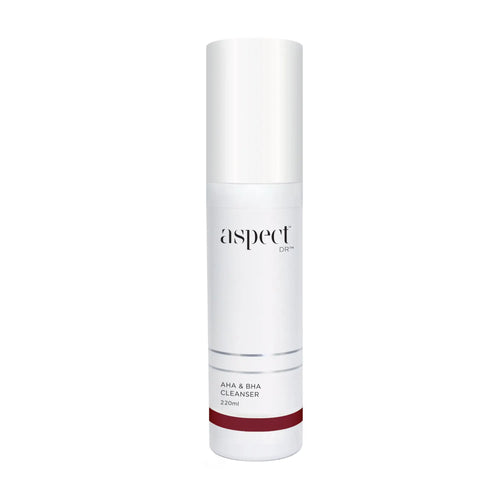
Aspect Dr- AHA BHA Cleanser 220mL
$69.00
Cosmedix Elite- Refine RX 15mL
$167.00